


New National Coordinator strengthens feral cat and fox management across Australia
The Centre for Invasive Species Solutions (CISS) has welcomed a new National Feral Cat and Fox Management Coordinator – bolstering its capacity to help land managers reduce the negative impacts caused by feral cats and foxes on agricultural production and the environment.
Yasmin Aly joins Heidi Kleinert, National Feral Rabbit Management Coordinator and Greg Mifsud, National Wild Dog Management Coordinator, in driving vital national invasive species coordination.
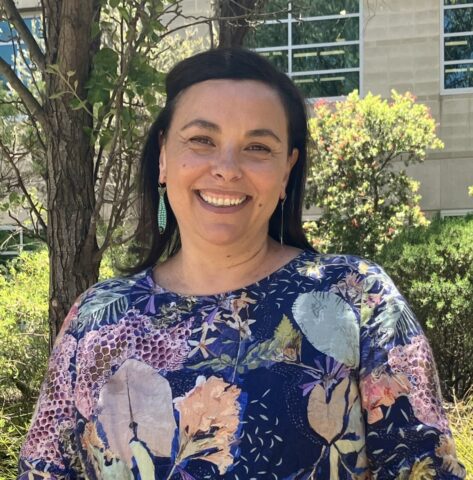
In welcoming the appointment, Shauna Chadlowe, CISS Chief Executive, noted the devastating impacts of feral cats and foxes on both Australia’s unique fauna and primary producers.
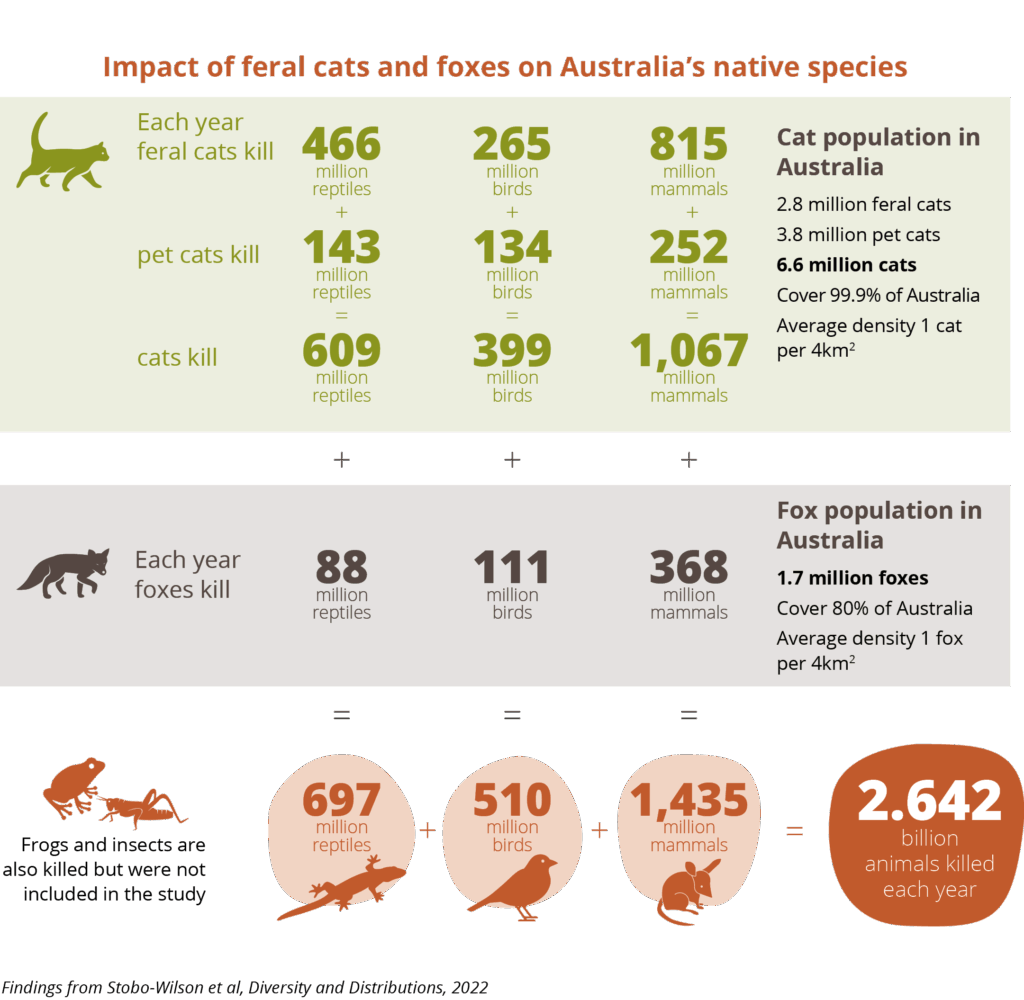
“Feral cats and foxes kill more than 2.6 billion native animals every year and are a leading cause of mammal extinctions in Australia. They roam vast distances and prey on reptiles, birds, frogs and mammals – the scale of the problem is immense. Cats now inhabit every corner of the continent and are a major threat to Australia’s precious biodiversity. There’s no silver bullet to this problem, which is why a nationally coordinated response is more important and more urgent than ever.”
“Meanwhile, primary producers are hit with at least $198 million in fox control costs and livestock losses every year. Foxes kill and maim small livestock, particularly lambs and poultry. Feral cats are also associated with the spread of certain livestock diseases. These impacts aren’t abstract — they affect real farmers, real businesses and real livelihoods. Supporting our farmers with coordinated, practical solutions has never been more important.”
“This role will build on the national leadership CISS has provided in feral cat and fox management since 2021 – raising awareness of their far-reaching impacts, sharing research and best practices and supporting land managers in their control efforts.”
“National Coordinators are the ‘glue’ in Australia’s invasive species system. They play a crucial role supporting effective, coordinated and humane best-practice management.”
Yasmin brings significant project management expertise to the role as well as decades of experience in natural resource management across state government agencies. This includes a focus on managing invasive species such as feral pigs, goats and deer as well as projects preserving habitat for native species including the Fairy Tern and Southern Brown Bandicoot.
As National Coordinator, Yasmin will work alongside a wide range of stakeholders, including government, industry and the broader community to support on-ground control efforts and foster adoption of support tools and trusted resources like PestSmart and FeralScan.
“I’m very much looking forward to starting in this role and continuing the leadership CISS has developed in feral cat and fox management. In particular, supporting and delivering actions under the National Threat Abatement Plans for predation by European Red Foxes and feral cats. These plans set out an excellent framework for guiding this work to ensure the long-term survival of our native species and unique habitats impacted by ongoing fox and feral cat predation,” Yasmin said.
The role, newly funded by the Department of Agriculture, Fisheries and Forestry (DAFF), was announced in November.
Feral cat impacts:
- Feral cats kill small to medium-sized mammals, birds, reptiles, frogs and insects and compete with native predators like quolls for food and shelter.
- Feral cats are implicated in Australia’s world-leading extinction crisis: they contributed to mammal extinctions as well as two native bird extinctions and all three reptile extinctions. Examples include two species of Pig-footed Bandicoots, the Lesser Bilby, Nullarbor Dwarf Bettong, Desert Rat-kangaroo, Broad-faced Potoroo and Princess Parrot.
- Feral cats are vectors of toxoplasmosis and sarcocystosis, diseases that lead to impacts including miscarriage, birth defects and reduced meat quality among livestock such as sheep, pigs and goats.
Camera trap footage shows size comparison between a numbat and feral cat.
Fox impacts:
- Together with cats, foxes have played a key role in the extinction of at least 14 mammals and one bird species since their arrival in Australia.
- Foxes remain a significant threat to at least 95 nationally threatened species together with populations of other native animals.
- A 2023 ABARES survey estimated that fox predation on livestock has an annual economic cost of more than $198 million.
- The average predation of foxes on lambs is estimated to be 7% but some studies place this as high as 10-30% of lambs in some areas.
RESOURCES:
Digital platforms and citizen science tools:
PestSmart: Provides key facts as well as management toolkits to plan and manage feral cats and foxes.
FeralScan resources for landholders, Landcare groups, community groups, local Councils, professional pest controllers and biosecurity groups.
Additional links:
Covering aspects of management including biology and ecology, control tools and strategies, policy and legislation and more.