


‘Deer’ and here: Feral deer breeding season action underway
With Australia’s feral deer population now in breeding season, innovative approaches to better understand their movements across landscapes and manage their spread are rolling out on the ground and on our screens.
The Centre for Invasive Species Solutions (CISS) is using GPS technology to track fine-scale feral deer movement patterns, habitat use and home range behaviour within a New South Wales population centre.
CISS Lead Researcher for Feral Animal Projects, Darren Marshall says, “This is an exciting project for CISS as it transfers our acknowledged expertise in GPS collaring for feral pigs to deer for the first time. We’ll be collaborating with New South Wales Local Land Services – the funder for the project – in the Port Macquarie region to better understand Rusa deer movements in that peri-urban environment.”
“The project builds on Rusa deer management undertaken in the region over many years. But what makes it special – and an Australian first – is a higher incidence of GPS datapoints from each animal.”
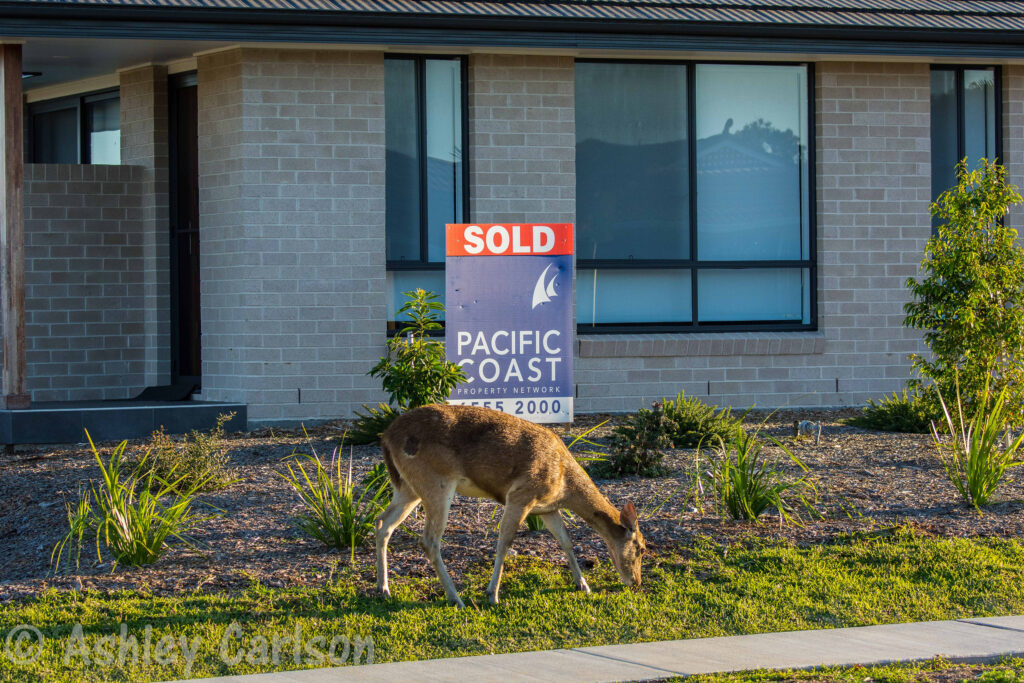
“The collars will transmit nearly 300 datapoints each day to reveal new insights into individual deer behaviour and provide rich data for our movement analysis work with the New South Wales Department of Primary Industries and Regional Development.”
“This analysis will not only help inform local management approaches but also provide key information on how deer interact with the community and the built environment. Critically, for example, where and when they’re crossing roads, as well as other interactions impacting residents,” Mr Marshall said.
Meanwhile, the National Feral Deer Management Coordination Program’s Cute but costing us deerly social awareness campaign is appearing on screens nationally via Facebook, 9Now and YouTube.
Cute but costing us deerly first trialled in 2022 to educate Australians about the threats of feral deer, shifting public attitudes about the species from natural novelties to costly environmental vandals and public safety risks. It is funded by the Australian Government Department of Agriculture, Fisheries and Forestry (DAFF).
Dr Jane McKenzie, National Feral Deer Management Coordinator, says the campaign builds community awareness about the invasive species, an understanding of their impacts and the need for control.
“While deer may appear charming, the campaign will reach Australians across the country with the message that their rapidly growing deer populations are not only endangering public safety on roads and rail but placing increasing pressure on our natural environments and farming communities.”
Dr McKenzie says the campaign encourages the uptake of the citizen science DeerScan app which allows all Australians to report sightings and contribute valuable data on deer movement and activity during breeding season, which peaks from late autumn into early winter.
“This is the best time to spot deer and signs of activity, such as rubbing their antlers on shrubs and trees. It’s important to report sightings and signs of live and dead deer through the app, particularly in areas with low deer populations where they can otherwise go unnoticed. These reports are especially valuable where we know their numbers are still low: for example, feral deer are encroaching on the outskirts of Brisbane, Hobart, Adelaide and south of Perth.”
“Compared to the previous year, last year’s campaign saw a 72% increase in reporting of deer sightings, including in new areas, and a 140% increase in visits to the DeerScan map – strengthening the evidence base needed to guide coordinated management. This year, we’re hoping to see the campaign prompt even more reporting from our communities.”