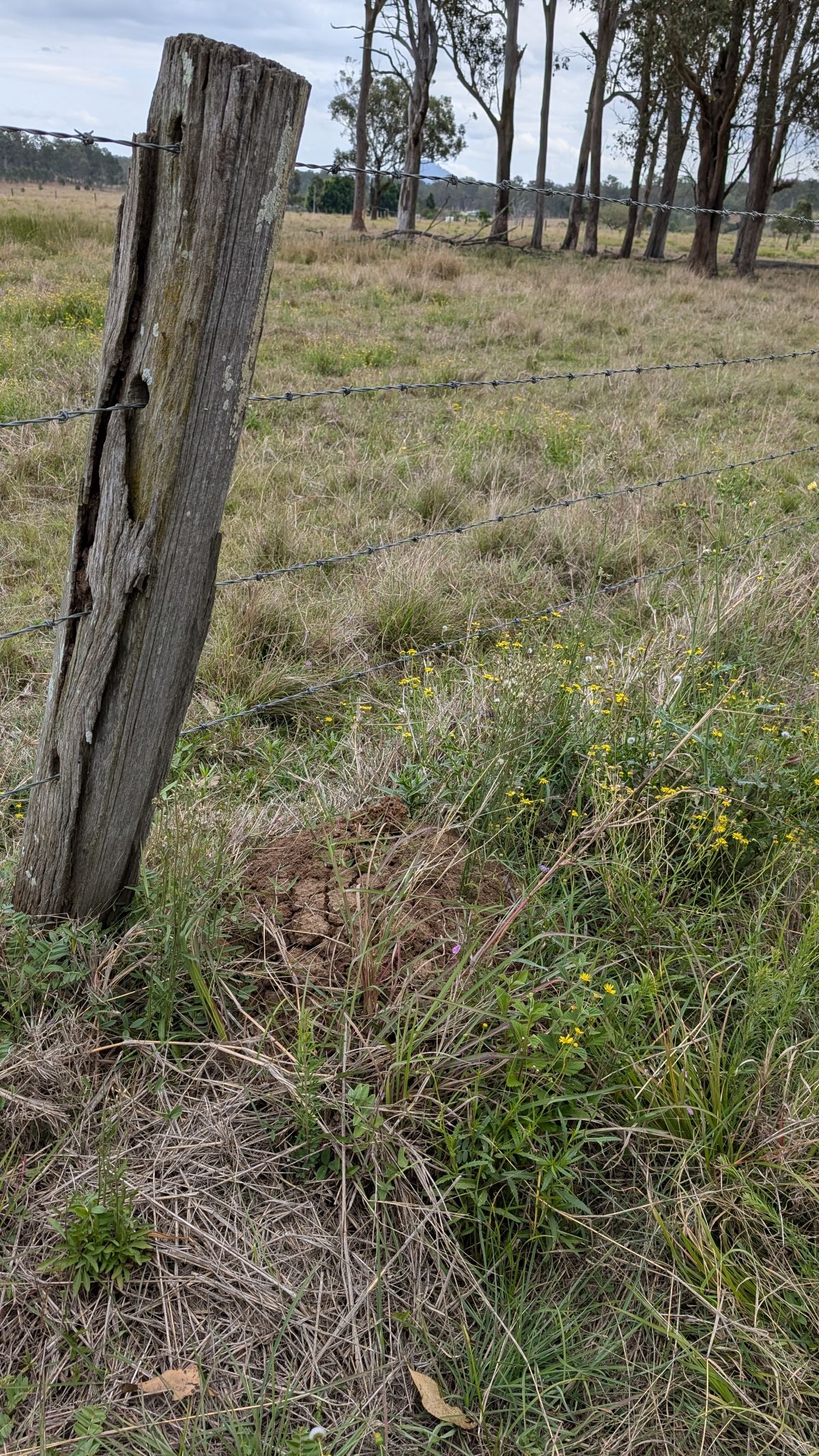
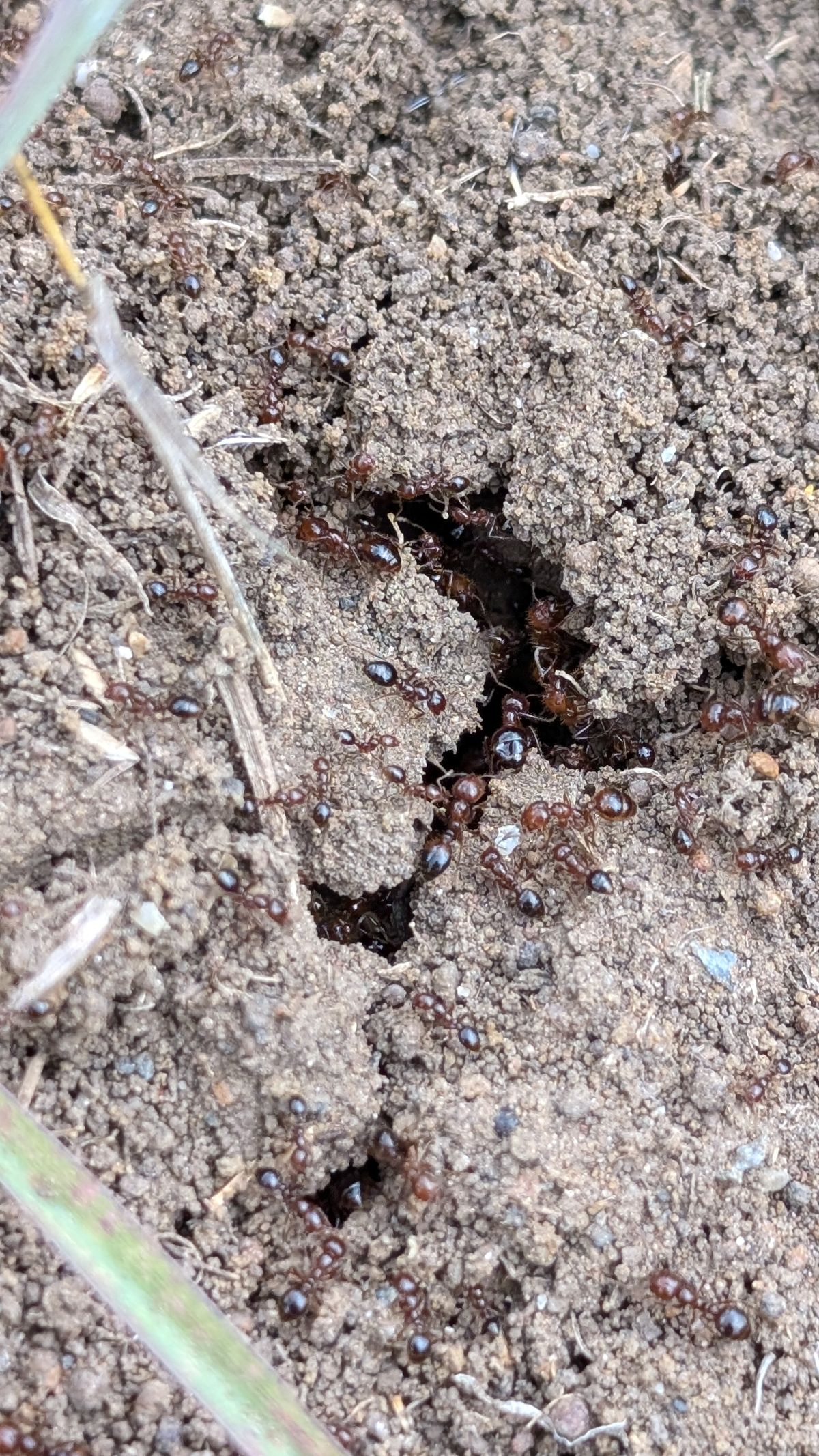
Molecular detection tools strengthen red imported fire ant (RIFA) preparedness
Researchers in New South Wales are strengthening the diagnostic tools needed to support surveillance and rapid response activities in the face of red imported fire ant incursions.
Red imported fire ant, or RIFA, is one of the world’s worst invasive insects, threatening agriculture, biodiversity, infrastructure and human health. Early detection remains critical to tackling their spread.
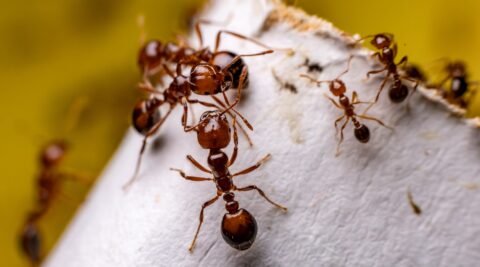
Image credit: Tommy Wainwright, NSW DPIRD
Through the Enhanced preparedness to diagnose 200+ priority pests and diseases project in collaboration with CISS, scientists at the NSW Department of Primary Industries and Regional Development have been implementing molecular diagnostic assays for the rapid detection and characterisation of RIFA to support response activities.
Project Lead, Dr Zoe Spiers, says, “These include a species-specific quantitative PCR assay for rapid and sensitive identification of RIFA DNA as well as a genotyping assay. This one distinguishes between monogyne colonies – which contain a single queen – and polygyne colonies, which contain multiple queens. Knowing the social form of a colony aids management decisions, because the number of queens strongly influences the density of ant mounds within an infested site and the distance queens travel to starting a new nest.”
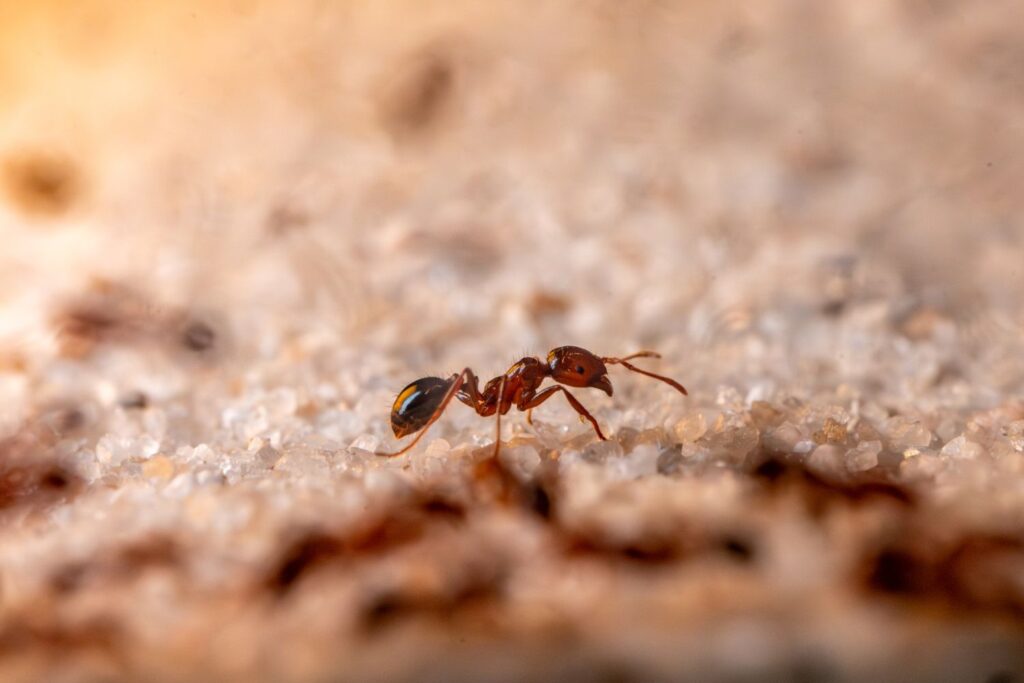
Image credit: Tommy Wainwright, NSW DPIRD
The NSW Fire Ant Team is also exploring innovative approaches that could further enhance surveillance efforts. It has recently applied for funding to undertake a pilot study investigating whether environmental DNA (eDNA) collected from water samples can be used to detect RIFA.
“If we’re successful, this approach could provide a sensitive and scalable surveillance tool able to detect fire ants at the earliest stages of infestation,” Dr Spiers says.
Recent detections of RIFA in northern New South Wales in 2023, 2024 and 2025 (all of which were successfully isolated and are moving toward eradication status) highlight the importance of maintaining strong surveillance and diagnostic capability to secure Australia’s biosecurity.