


Protecting Country while tackling rabbits
A rabbit control project in north-east Murray-Sunset National Park is demonstrating how conservation outcomes can be achieved while protecting important Aboriginal cultural heritage.
The site, located below Wallpolla Island near Mildura, was once a farming property before becoming part of Murray-Sunset National Park.
Decades of agricultural use and extensive rabbit activity had contributed to land degradation and damage to culturally significant areas.
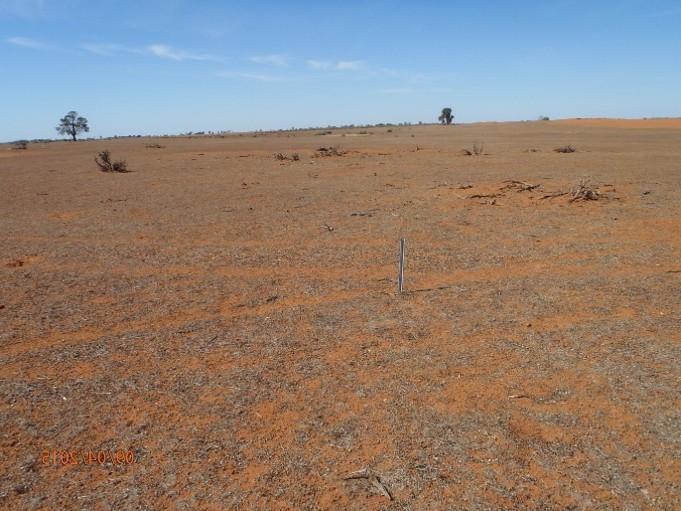
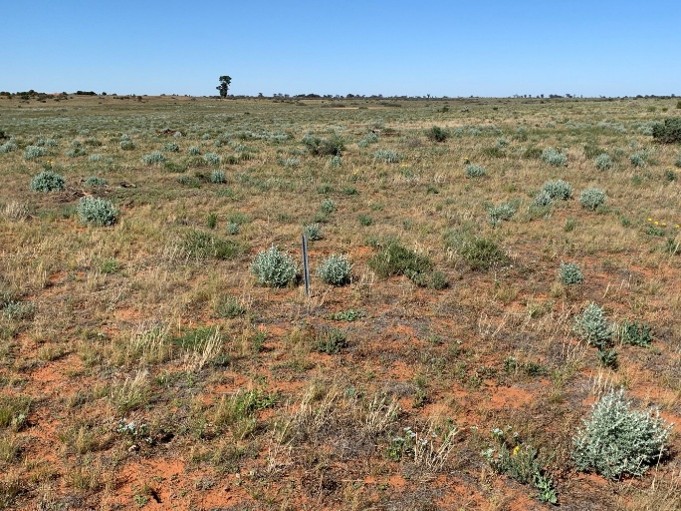
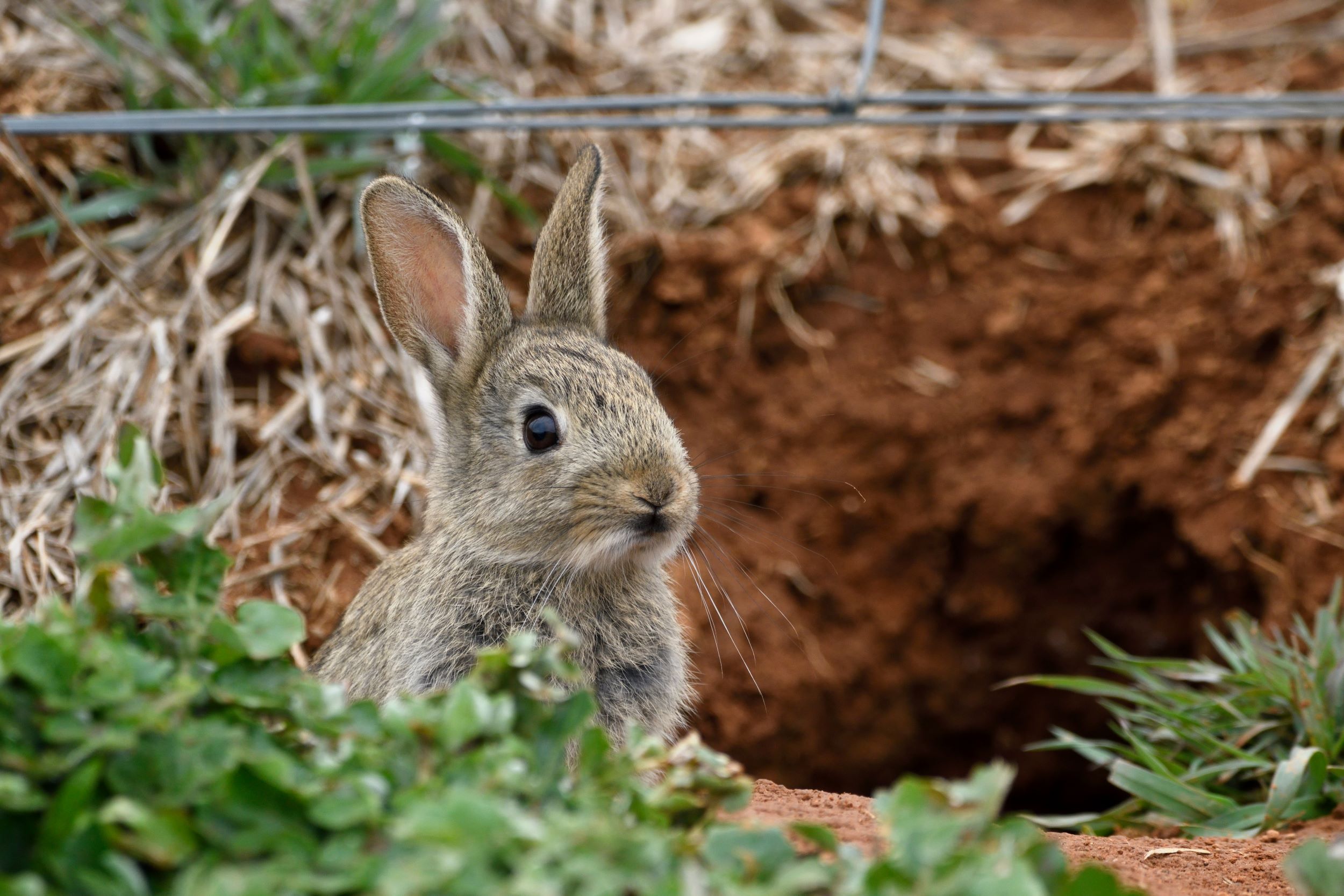
Controlling rabbits presented a unique challenge. The landscape contains a high concentration of cultural heritage sites, making conventional warren ripping unsuitable in many locations.
Before works could begin, Parks Victoria staff assessed locations of warrens and sought guidance through the Aboriginal Heritage Assessment System.
Parks Victoria Rangers Emma Oliver and Dani Southon worked closely with Parks Victoria’s Cultural Heritage Protection team, Traditional Owners and contractors to develop a practical approach that protected extensive cultural heritage in the area while allowing rabbit control to proceed.
Cultural sites were identified and registered, and a simple field-based flagging system was introduced, with red flags marking exclusion zones and white flags showing where works could safely occur.
“The Cultural Heritage Protection team taught me where to stand in the landscape and how to look at things differently,” Emma said.
As contractors changed during the project, dedicated site inductions ensured new operators understood both the cultural significance of the area and the processes required to work safely.
Time spent On Country with Traditional Owners helped build a deeper appreciation of the landscape and strengthened relationships based on trust and respect.
Dense vegetation surrounding some warrens created additional challenges. Parks Victoria worked closely with DEECA to determine where vegetation could be removed without affecting important native vegetation values, enabling effective treatment of rabbit harbour (logs, rocks, and vegetation that offers above-ground protection).
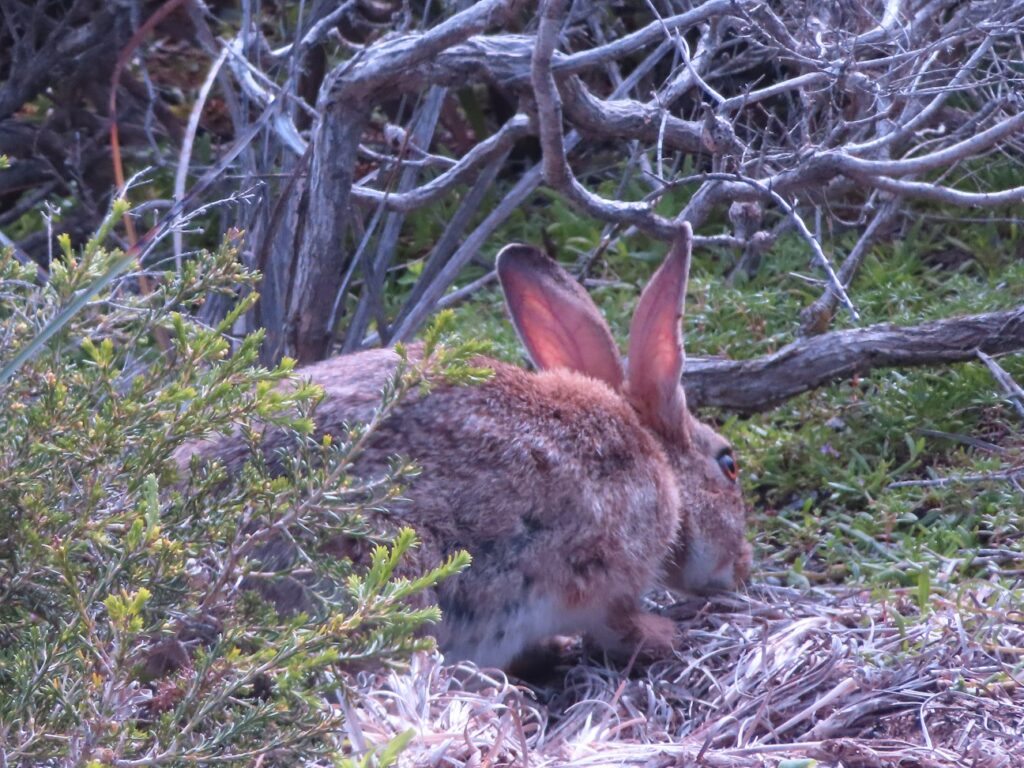
The results have been encouraging. Since control works were completed, the area has shown significant native vegetation regeneration. Ongoing monitoring and follow-up treatment, including spotlight surveys, ripping and fumigation, will continue to build on the success of the project.
This project highlights how collaboration, careful planning and respect for cultural heritage can deliver positive outcomes for both Country and biodiversity.
The Mallee Bounceback Project is supported by the Victorian Government’s Protecting Biodiversity Program.