


Bird flu, rabbits and scavengers
Highly Pathogenic Avian Influenza (HPAI, or H5N1 bird flu) is becoming a growing threat to wildlife and agriculture. Human infection is rare, but the virus can spread to other birds and some mammals.
Carnivore and scavenger species that feed on birds, such as foxes, cats, pigs and marine mammals, are thought to be at risk of spillover infections due to their feeding behaviours and exposure to infected birds.
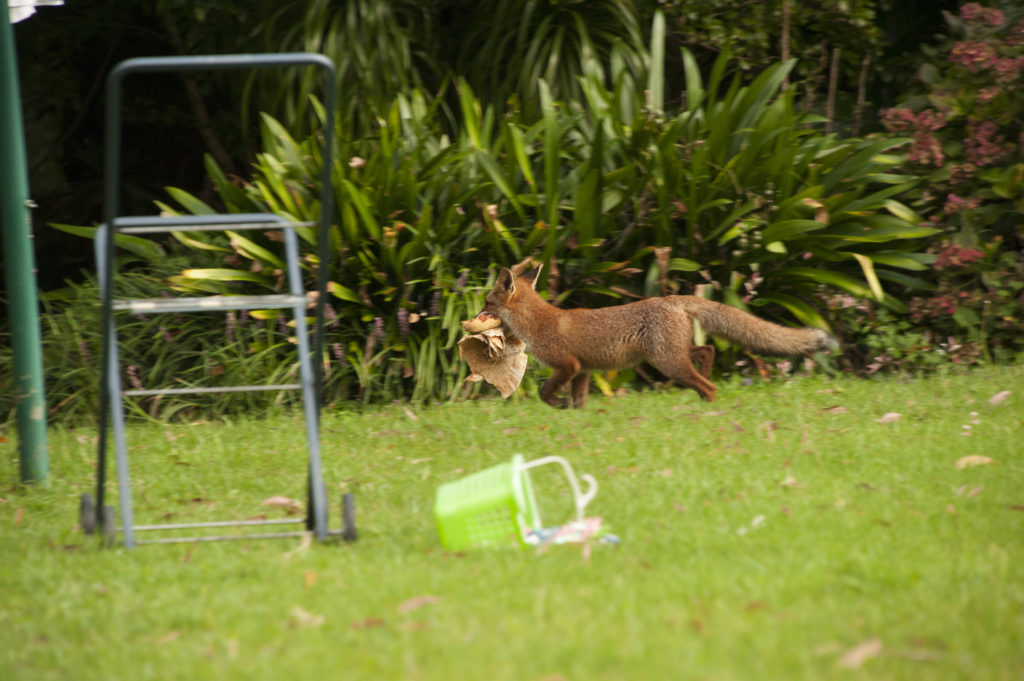
Rabbits may also come in contact with the bird flu virus. However, even if individual European rabbits were infected with bird flu via spillover infections, this is not expected to have significant impact on Australia’s overall rabbit population.
If you have been in areas with sick or dead wildlife, follow good hygiene measures. Simple actions such as washing your hands and cleaning contaminated footwear, clothing and vehicles can help keep you safe and prevent the spread of disease to people, animals and the environment.
While rabbit management cannot stop the spread of bird flu, it can help protect habitat, reduce competition and predation pressures on native species, and improve the resilience of our wildlife and farming systems to cope with this new challenge.
Keep up to date on the latest official bird flu information here: www.agriculture.gov.au/campaigns/birdflu