


A lasting contribution to CISS and Australian biosecurity
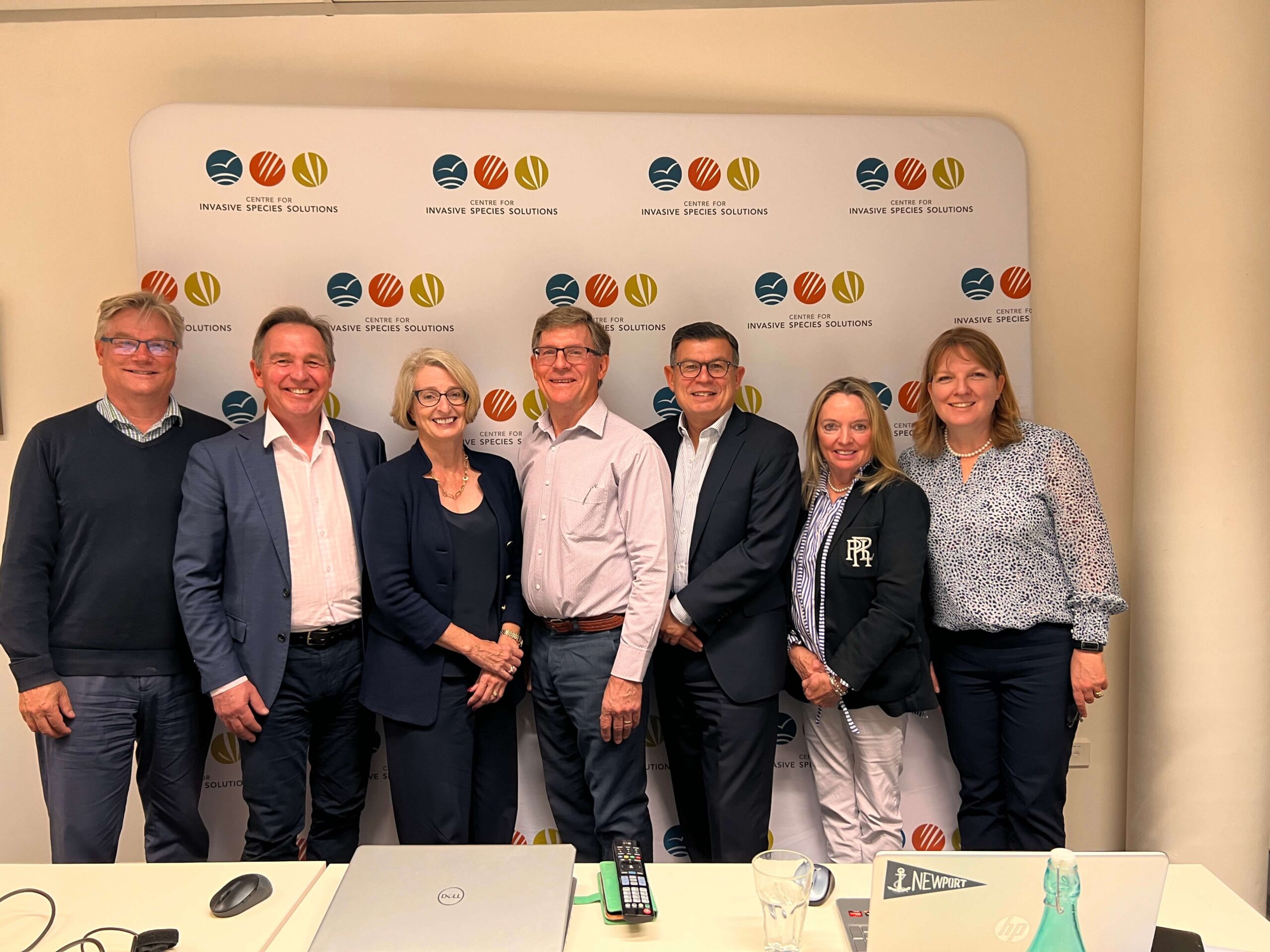
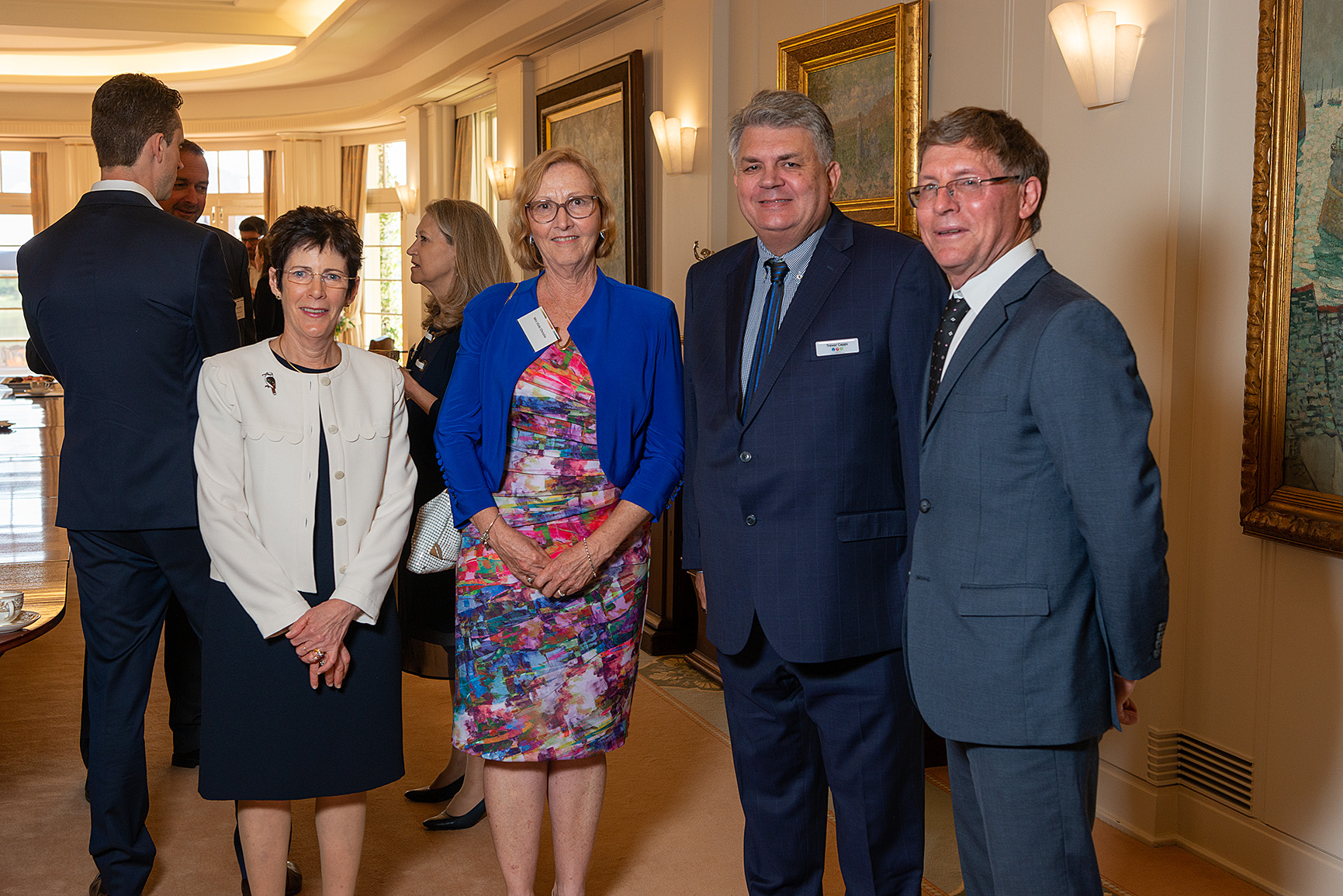
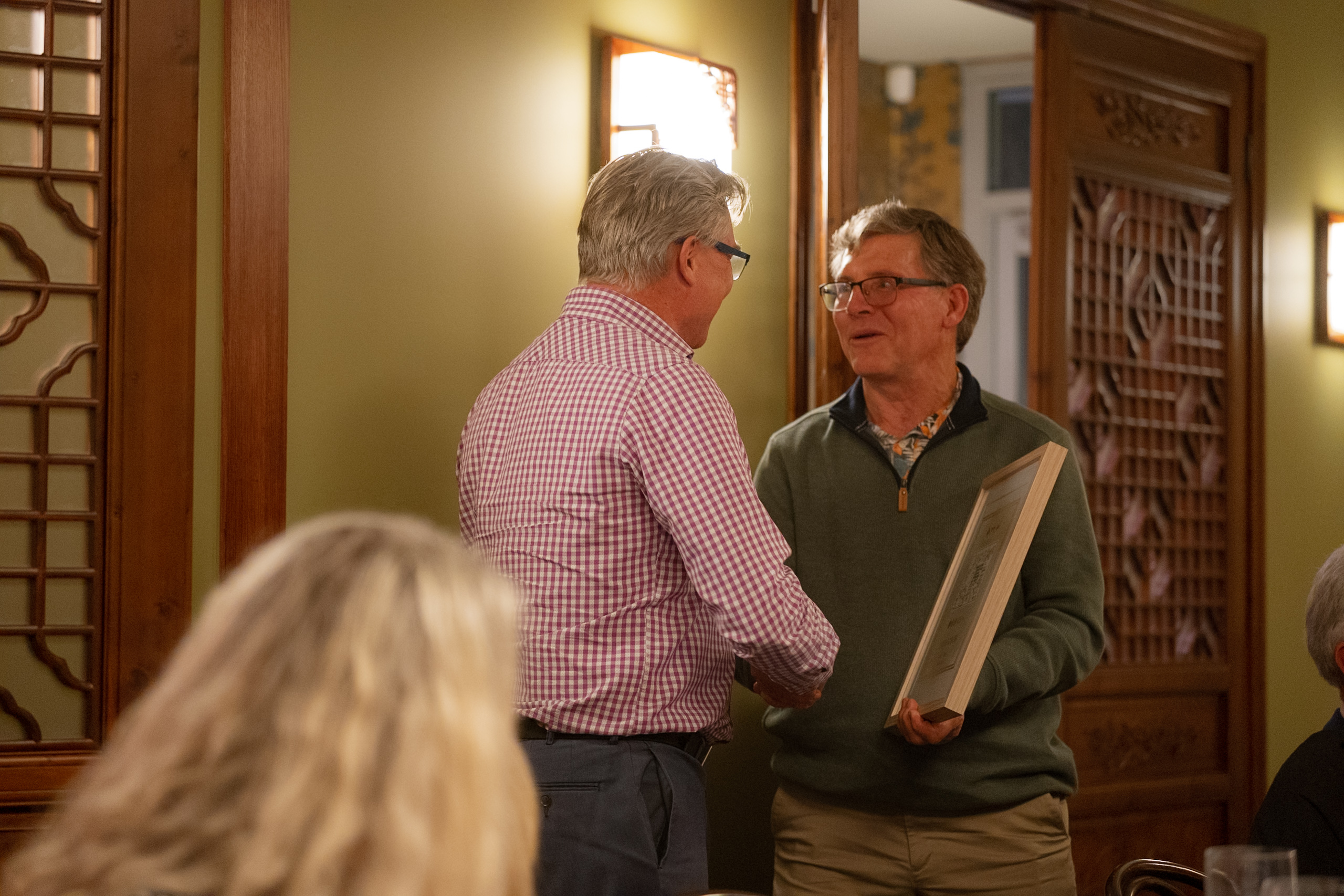
As Bruce Christie completes his tenure on the CISS Board at our AGM in November, he leaves an outstanding legacy of leadership and service. Elected Chair at his very first CISS Board meeting, Bruce guided CISS through significant delivery, change and growth, sharing knowledge gained across his distinguished career in Australian biosecurity.
What has that experience taught him about protecting Australia from biosecurity threats? We invited Bruce to reflect on his career, six years with CISS and the challenges and opportunities ahead. From the importance of preparedness to the growing influence of misinformation, he shares candid insights, practical advice and his hopes for the future.
Bruce, can you share how you came to join the CISS Board?
Across my career in biosecurity, I saw that invasive species and environmental biosecurity were less supported than animal and plant health and production. In my roles as NSW Chief Veterinary Officer and Deputy Director General Biosecurity and Food Safety, I worked to integrate them into mainstream biosecurity, but there was still much to do. As I retired from NSW Department of Primary Industries (DPI) in 2020, I decided to use my experience to support these areas. As luck would have it, David Palmer called to ask me to join the CISS Board.
You started out in veterinary science. What led you to work across invasive plants, animals and diseases?
I became a veterinarian because of my love of animals, but I could just as easily have been a horticulturist or environmental scientist. As my career progressed, I saw more similarities than differences across invasive species, animal and plant health, environmental and production biosecurity. The fundamentals are the same: keep the bad bugs, animals and weeds out.
As the recipient of the 2017 Dr David Banks Biosecurity Lifetime Achievement Award, what threats concern you and how well placed is Australia to tackle them?
Predicting the next biosecurity threat is hard but that shouldn’t stop us undertaking pre and post border surveillance to keep threats out and find them quickly if they arrive. We also need to build our preparedness to eradicate incursions quickly. Meanwhile, existing threats need more R&D and community engagement to control. Our invasive species and environmental sectors are the least prepared and resourced, so they continue to struggle. A more existential threat is the spread of misinformation and the shift from science to opinion.
What CISS achievements during your time as Chair make you most proud?
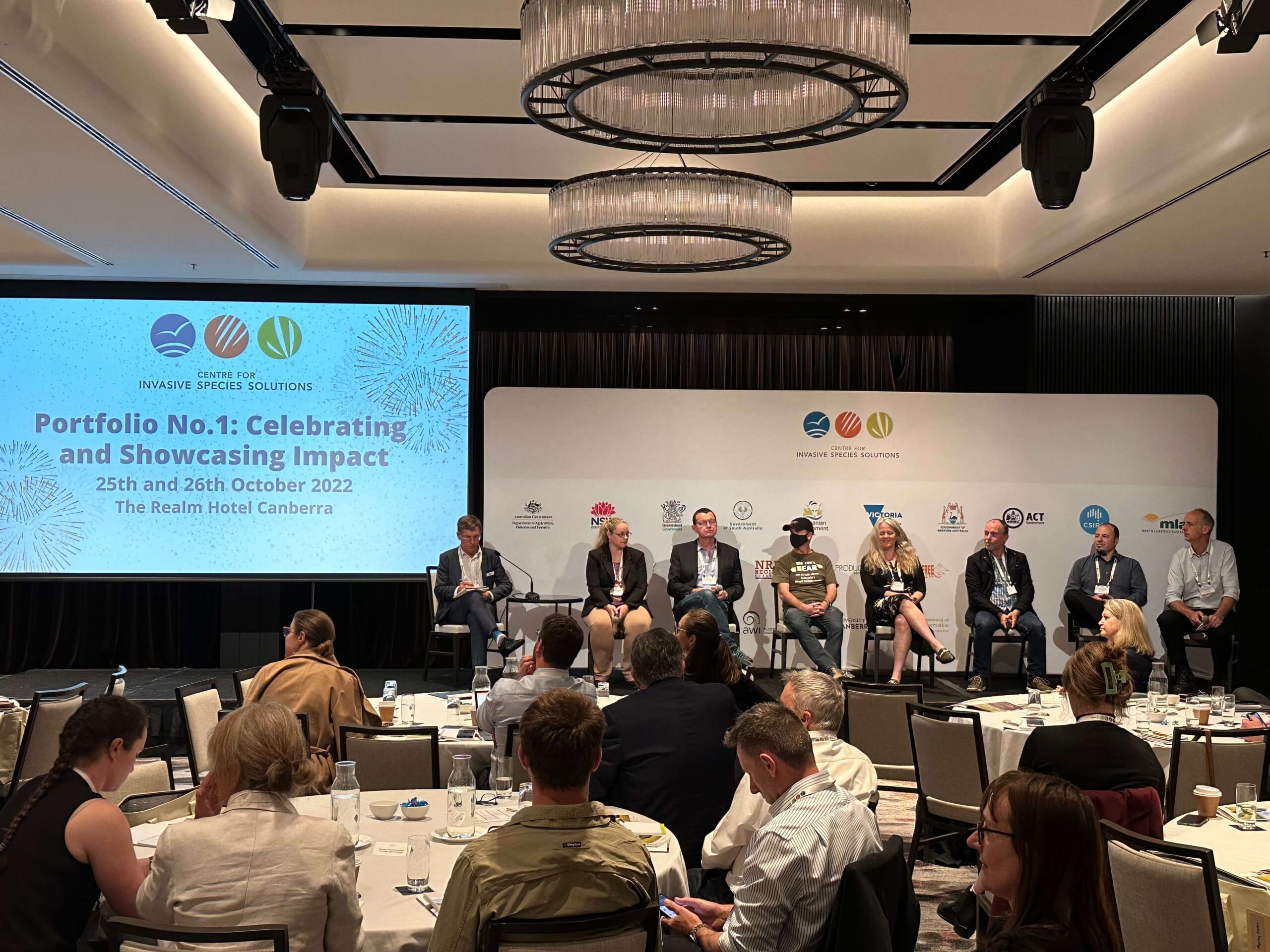
Finalisation of the five-year Portfolio No. 1 project suite; achieving a seamless transition from long-serving CEO, Andreas Glanznig, to Shauna Chadlowe; transitioning to a more diversified income model and building a Board fit for the future.
As someone who has managed biosecurity emergencies at the frontline, what lessons can we learn?
Be prepared, respond quickly, and remember that recovery starts on day one. Plan with the end in mind. Keep it out, eradicate it if you can, or you will have to live with it.
You’ve been a passionate advocate for CISS and for greater recognition of the consequences of invasive species. What are your glass half empty and glass half full perspectives?
Glass half empty: I live in hope that the right people will understand what invasive species can do to our economy, environment and community. I’m usually disappointed because they don’t.
Glass half full: There are many good, intelligent and passionate people who do understand the issues: I’m hopeful they can convince the right people and secure more support.
What advice would you offer those new to invasive species management?
Invasive species and environmental biosecurity are no less important than animal and plant production biosecurity, so we shouldn’t accept second best. Keep working to build a strong, resilient biosecurity system for the benefit of all Australians.