


From Yellowstone to Wildash: Global insights, local results
What can Yellowstone teach us about predator management in Australia, and what does success look like on the ground here at home? Two new video resources bring these perspectives together, offering both global insight and practical, local experience.
The National Wild Dog Action Plan has recently published two new video resources.
The first, Myths and realities of wolf reintroduction in Yellowstone, presents a webinar session featuring Professor Dan MacNulty of Utah State University, USA. While wolves are often credited with dramatically reshaping Yellowstone National Park following their reintroduction in the 1990s, the reality is far more complex.
The second, Wildash Case Study, captures the on-ground experiences of a wild dog management group at Wildash, a rural locality in the Southern Downs Region of Queensland. The case study features landholders who have benefited firsthand from a coordinated approach to wild dog management, which reduces both livestock suffering and risks to human safety while reviving local populations of bettongs and quolls.
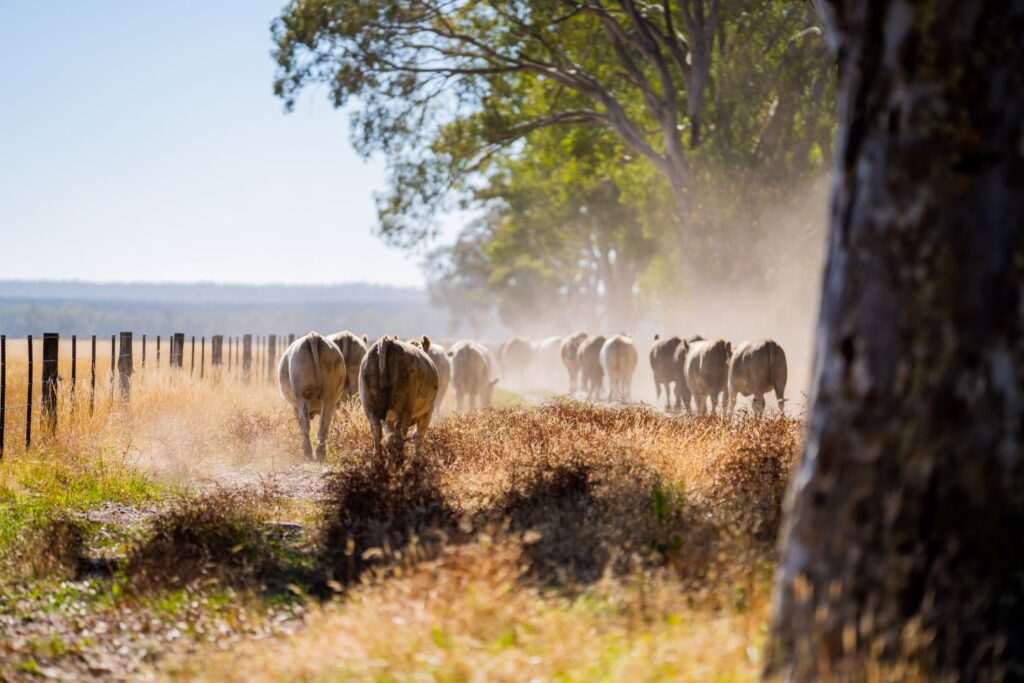
Reflecting on the video, which has already attracted over 1,000 views, Greg Mifsud, National Wild Dog Management Coordinator, said, “This case study is a practical demonstration of how landholders work together to deliver effective best practice management programs for their community, livelihoods and native wildlife.”
“It also highlights how the research and best practice developed by CISS and its partners can help producers deliver more effective local management programs. It demonstrates that coordinated action isn’t just a theory, it delivers real outcomes for producers, their livestock and their communities.”