Lessons from the Coorong – A field tour on the benefits of rabbit management
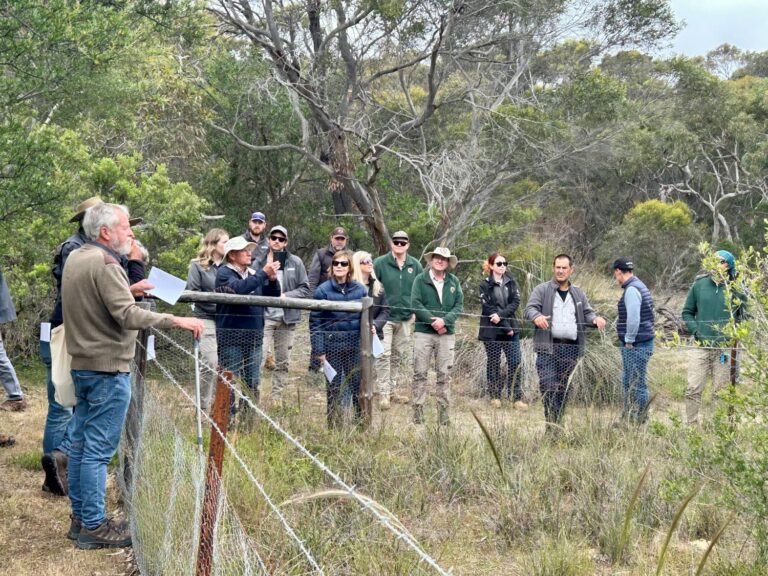
Our National Feral Rabbit Management Coordinator, Heidi Kleinert, recently led an inspiring field tour through South Australia’s iconic Coorong region, bringing together 23 participants dedicated to tackling one of Australia’s most persistent environmental challenges – the feral rabbit.
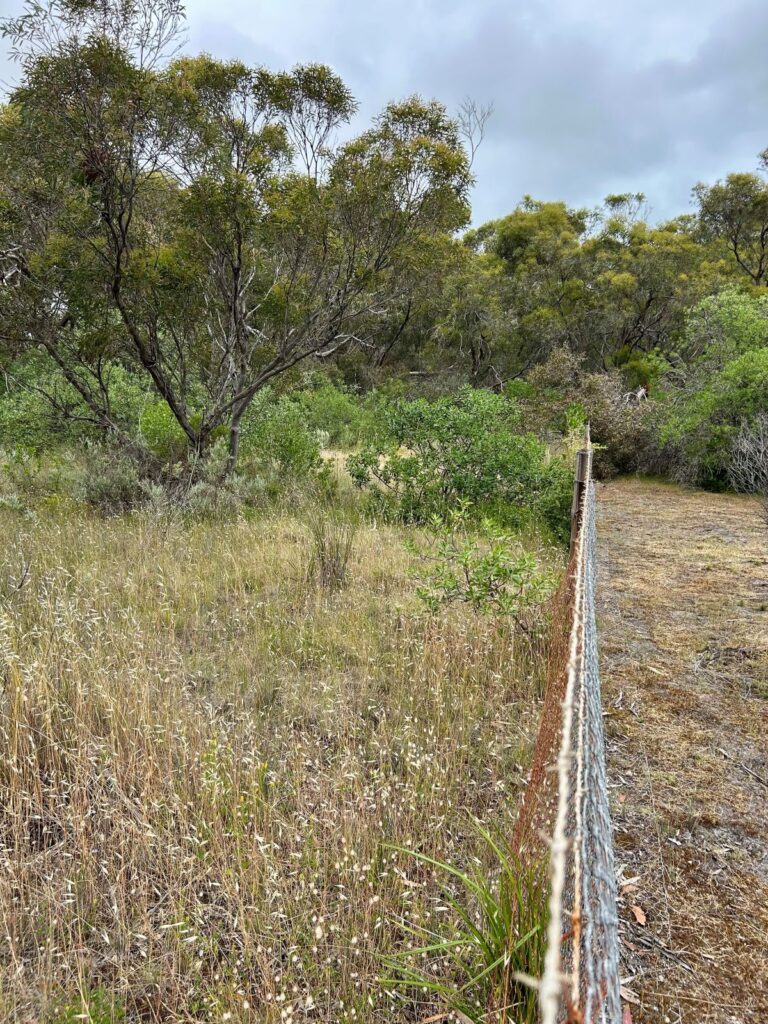
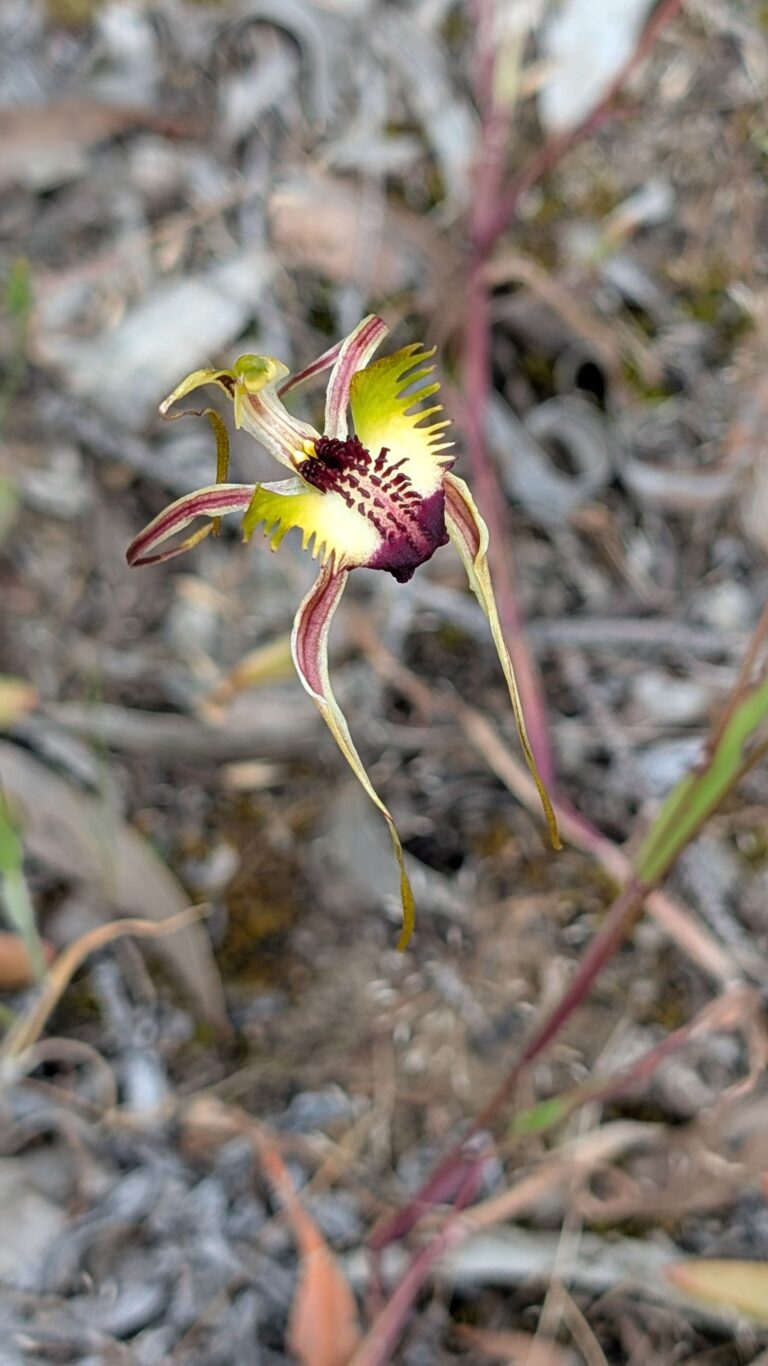
This unique experience gave attendees the chance to learn directly from renowned researchers Brian Cooke and Peter Bird, exploring the science and strategies behind rabbit management and the importance of establishing monitoring programs to show impact. The tour showcased 47 years of research work at the Salt Creek fenced vegetation sites, where the protected areas reveal what native flora can thrive when rabbits are excluded.
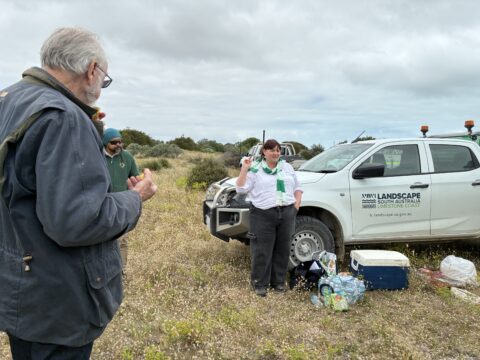
Heidi Kleinert at the South Australia Rabbit tour. Image credit: Susan Ivory.
Participants saw firsthand how the introduction of myxomatosis and Rabbit Haemorrhagic Disease Virus (RHDV) has transformed ecosystems of the Coorong National Parks and the sandhills of the Younghusband Peninsula, driving remarkable vegetation recovery. Discussions also focused on the impact of rabbits on critical mallee fowl habitat and the ongoing challenge of safeguarding this endangered species.
The event brought together experts from landscape boards, universities, CSIRO, CISS, and Rabbit Free Australia, fostering collaboration and knowledge-sharing. More than a field visit, this was an opportunity to connect, share experiences, and strengthen partnerships in the fight against invasive species. The removal of rabbits simply benefits nature.
Thank you to everyone who joined us and contributed to the tour. If your state or organisation is interested in hosting a tour, contact Heidi Kleinert via email: rabbits@invasives.com.au
Field trip: South Australia's Coorong region