Status: In Progress
Start date: 18 December 2024
Completion date:
Project code: R-101
Species/Threats: European rabbits
Glovebox Guide for Managing Feral Rabbits (PDF, 9.49 MB)
2025 Rabbit Impact Report (PDF, 422.42 KB)
The National Feral Rabbit Management Coordinator position was established to facilitate a more collaborative and inclusive approach to managing Australia’s most invasive and damaging species, the European rabbit.
The aim is to create a strong collaborative culture across Australia whereby those impacted by rabbits can successfully manage rabbits in their area, through easy access to information, using best practice and having successful partnerships with others.
The objectives of this project are to:



The overall vision of the program is for feral rabbits to be effectively managed, reducing their harmful impact on Australia’s agricultural production, environment, First Nations Peoples culture and our communities.
The implementation of the Work Plan relies on cooperation and collaboration between a large range of stakeholders to support land managers, including First Nations Peoples, community, not-for-profits, government and industry that have an interest in feral rabbit management. The Work Plan is a living document that will be reviewed annually to consider changes in opportunities or challenges.
Also coming soon: NEW Glovebox Guide to Managing Rabbits and revised Rabbit National Standard Operating Procedures and Code of Practice.
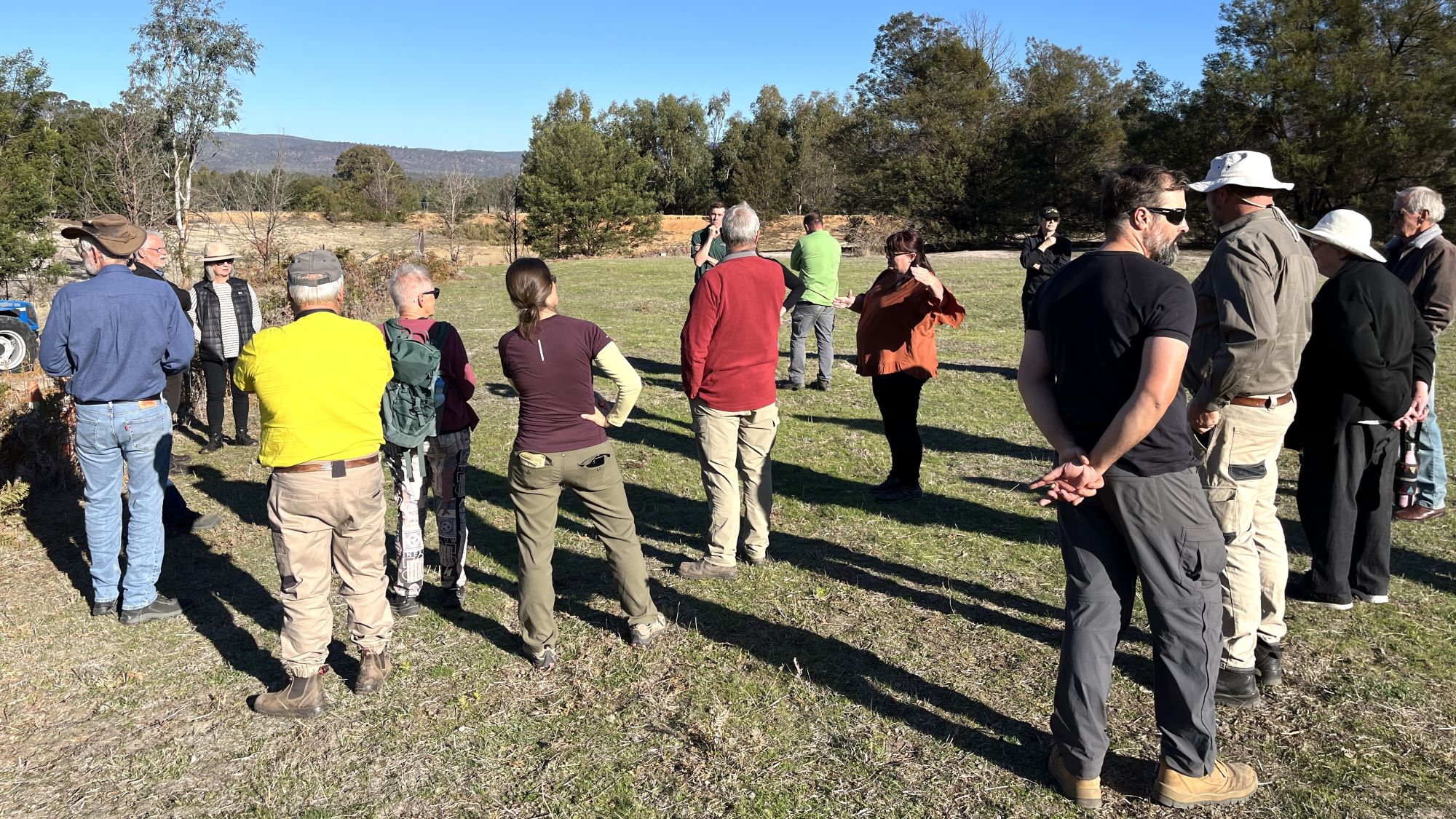
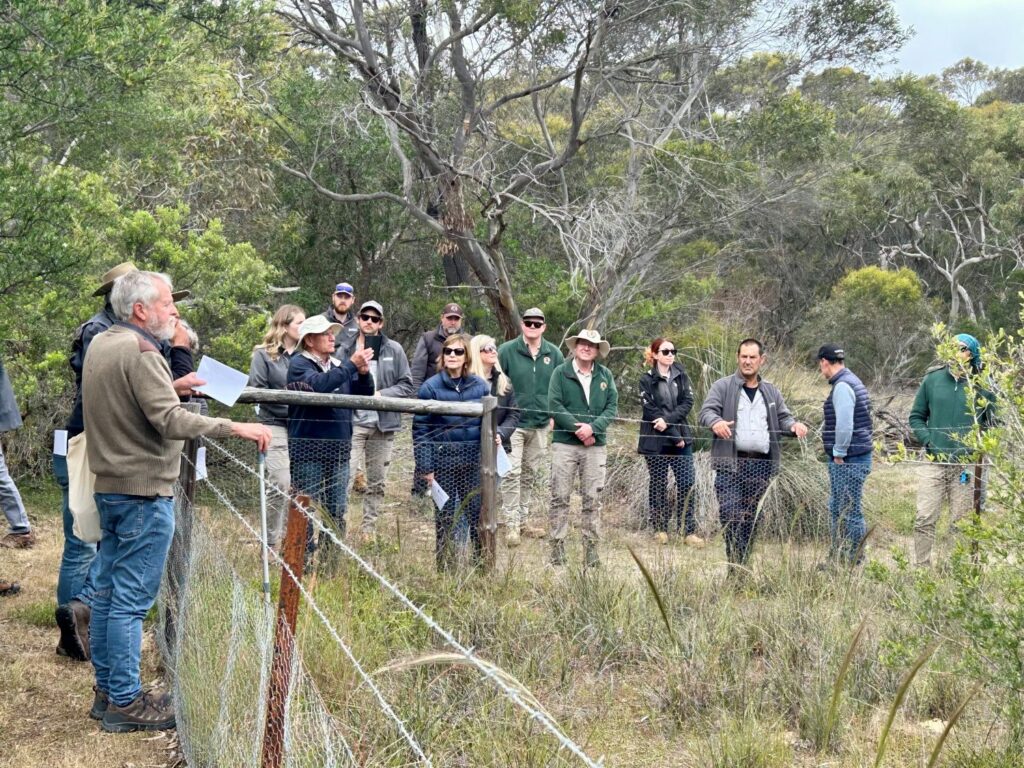
Representatives from 14 organisations across community, government, research, universities and industry joined a Coorong Field Study Tour to learn about the latest science and management strategies for controlling feral rabbits. Guided by renowned researchers Brian Cooke and Peter Bird, the tour provided valuable opportunities to share knowledge, strengthen partnerships and build capability across South Australia.
Participants visited key research and conservation sites, including Salt Creek, Younghusband Peninsula and Coorong National Park. The tour showcased long-term rabbit research, vegetation recovery following biological control programs, and the ongoing challenges rabbits pose to native ecosystems and threatened species such as the mallee fowl. More than a field trip, the event fostered collaboration and a shared commitment to protecting South Australia’s landscapes.
The Glovebox Guide for Managing Rabbits was launched, and the Better Rabbit Management in Tasmania webinar was held to help build knowledge for everyone impacted by feral rabbits.
The 2025 Rabbit Impact Report was released to showcase the program’s achievements during the year.
Hardaker T (2023) An Evaluation of the Centre for Invasive Species Solutions National Invasive Species Management Coordinator Model. A report for the Centre for Invasive Species Solutions, Canberra.